
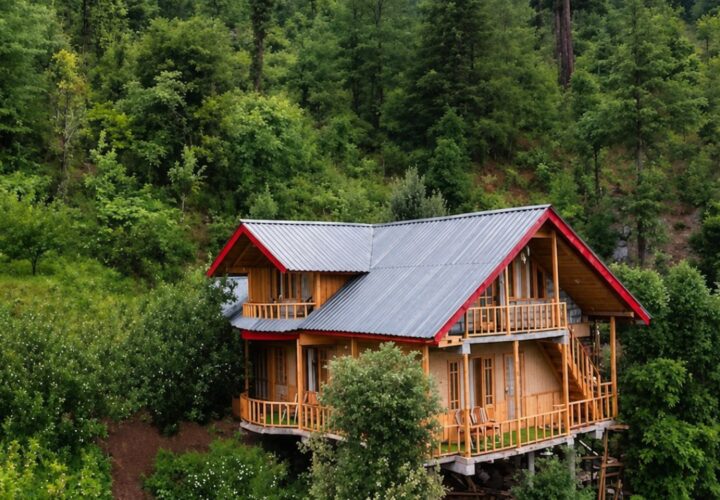


Living Tradition
Witness customs carried forward by local communities.
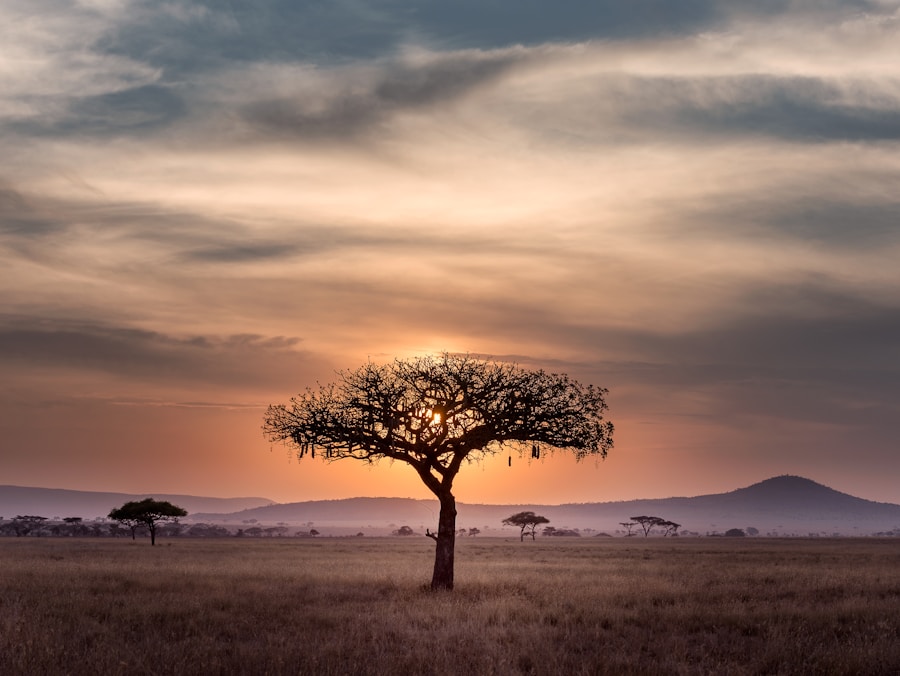
A major seasonal gathering centred on the revered Jwala Ji temple, devotional traditions and the lively local fair.
The celebration offers travellers a chance to understand Himachal through living traditions, regional food, processions, music and the people who carry these customs forward.
The moments and experiences visitors remember most.
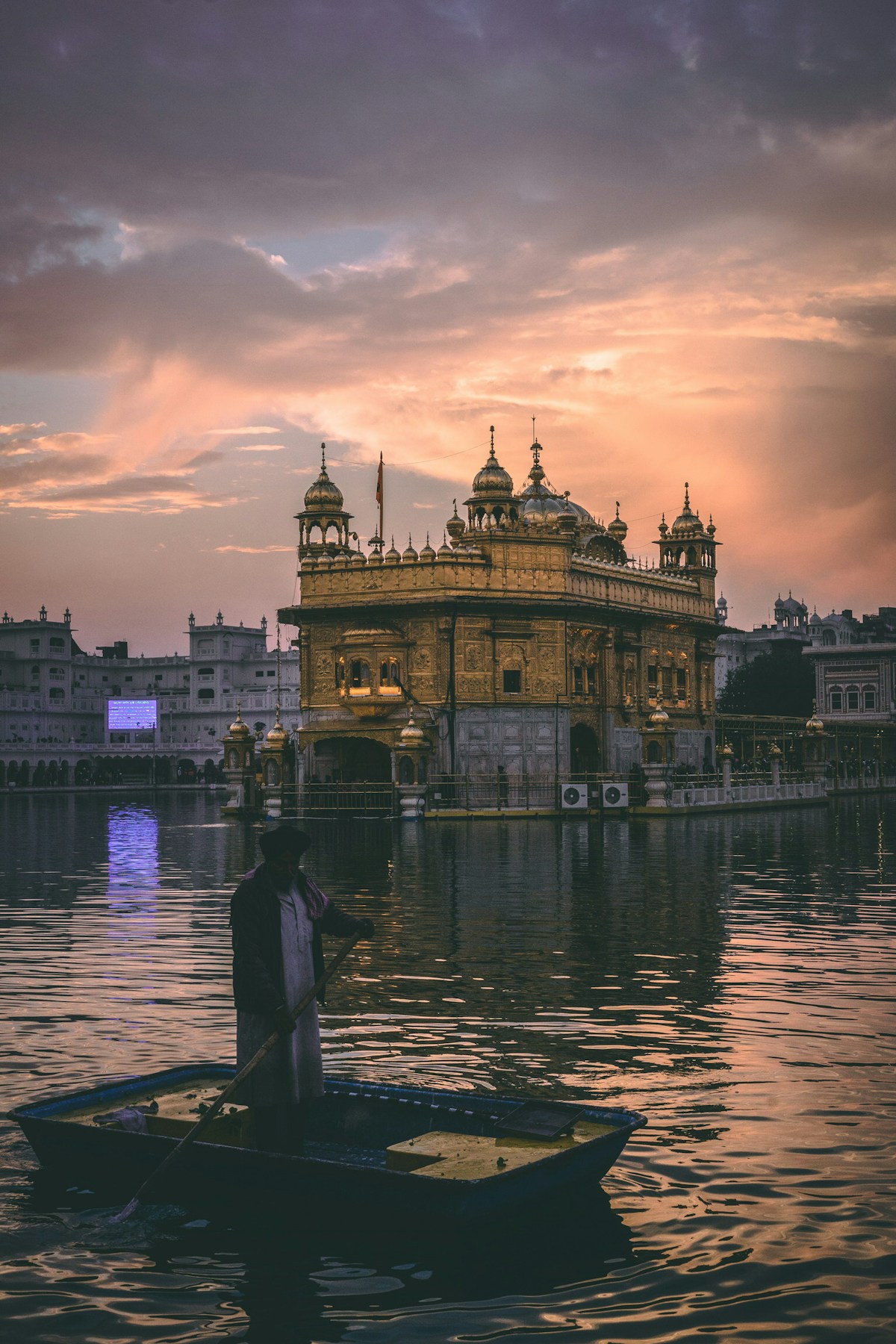
Ceremonial arrivals and powerful community gatherings.
Rituals, heritage and customs unique to the region.
Folk dance, music and devotional performances.
Food, woollens, crafts and seasonal stalls.
The concluding rituals and memorable final gatherings.
Bhakra Dam is a major dam on the Sutlej, associated with the Gobind Sagar reservoir. Visits depend on current security and project rules, so travellers should not assume access beyond authorised public viewpoints.
Kullu is the main town of the Beas Valley, between Mandi and Manali. It is known for Dussehra, traditional weaving, temples and its role as a practical base for trips through the valley.
Haripurdhar is a ridge-top settlement in Sirmaur associated with Maa Bhangayani Temple and the wider Churdhar landscape. It is a useful overnight base for travellers exploring eastern Sirmaur, but winter snow, fog and long mountain roads require conservative driving plans.
Gasota Mahadev is a long-established Shiva temple about nine kilometres from Hamirpur on the Hamirpur–Jahu road. The temple, its natural stream and the annual Jyeshtha cattle fair are living religious and community spaces, so visitors should follow local worship and fair-day directions.
Swarghat is a lower-Himalayan road stop in Bilaspur district on the route between Chandigarh and the Kullu–Manali corridor. It is useful for a quiet overnight pause rather than a destination with dense sightseeing.
Gobind Sagar is the large reservoir formed by the Bhakra Dam on the Sutlej. It is a landscape destination rather than a single attraction; viewpoints, water levels and permitted activities vary by location and season.
A traditional community feast served in courses and central to celebrations across the state.
A rural cultural observance connected with livestock, village life and local custom.
A regional seasonal observance remembered through home cooking and community tradition.
A seasonal celebration associated with harvest, food and village customs.
Plan a visit to Sujanpur Tira’s Holi fair, combining colour, cultural programmes and the heritage setting of Hamirpur.
Plan a respectful visit to Renuka Ji Fair in Sirmaur, celebrating the reunion of Mata Renuka and Lord Parshuram.