
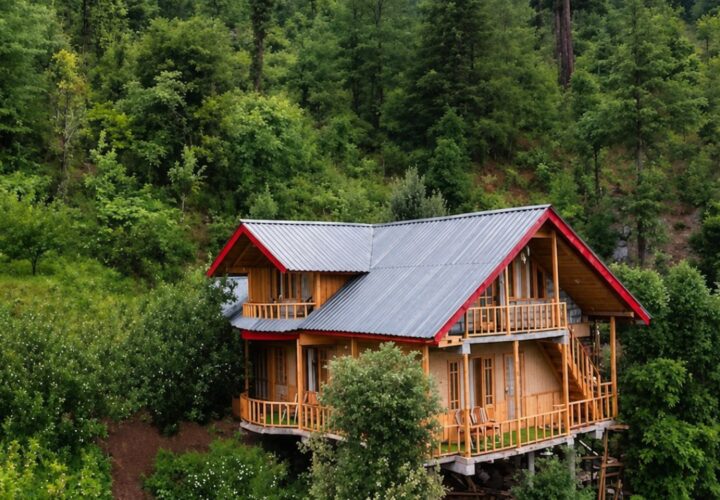


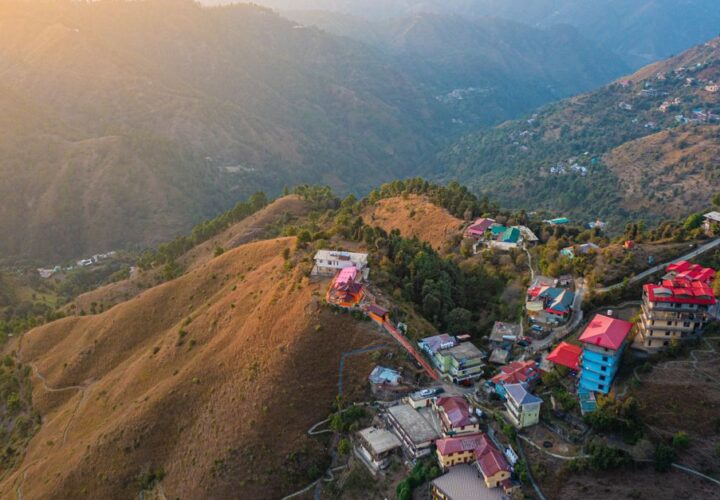
Himachal Highlights: Shimla, Manali, Dharamshala & Dalhousie
A complete ten-day Himachal circuit from Delhi covering Shimla, Kufri, Manali, Solang Valley, Dharamshala, Dalhousie and Khajjiar.
Tirthan Valley follows the Tirthan River through villages such as Gushaini, Jibhi and Shoja. It is valued for slower stays and access to the Great Himalayan National Park, where entry, guides and route conditions should be checked locally.
March–June and September–November
2–4 days
About 1,500 m near Gushaini
Village stays, river walks and Great Himalayan National Park access
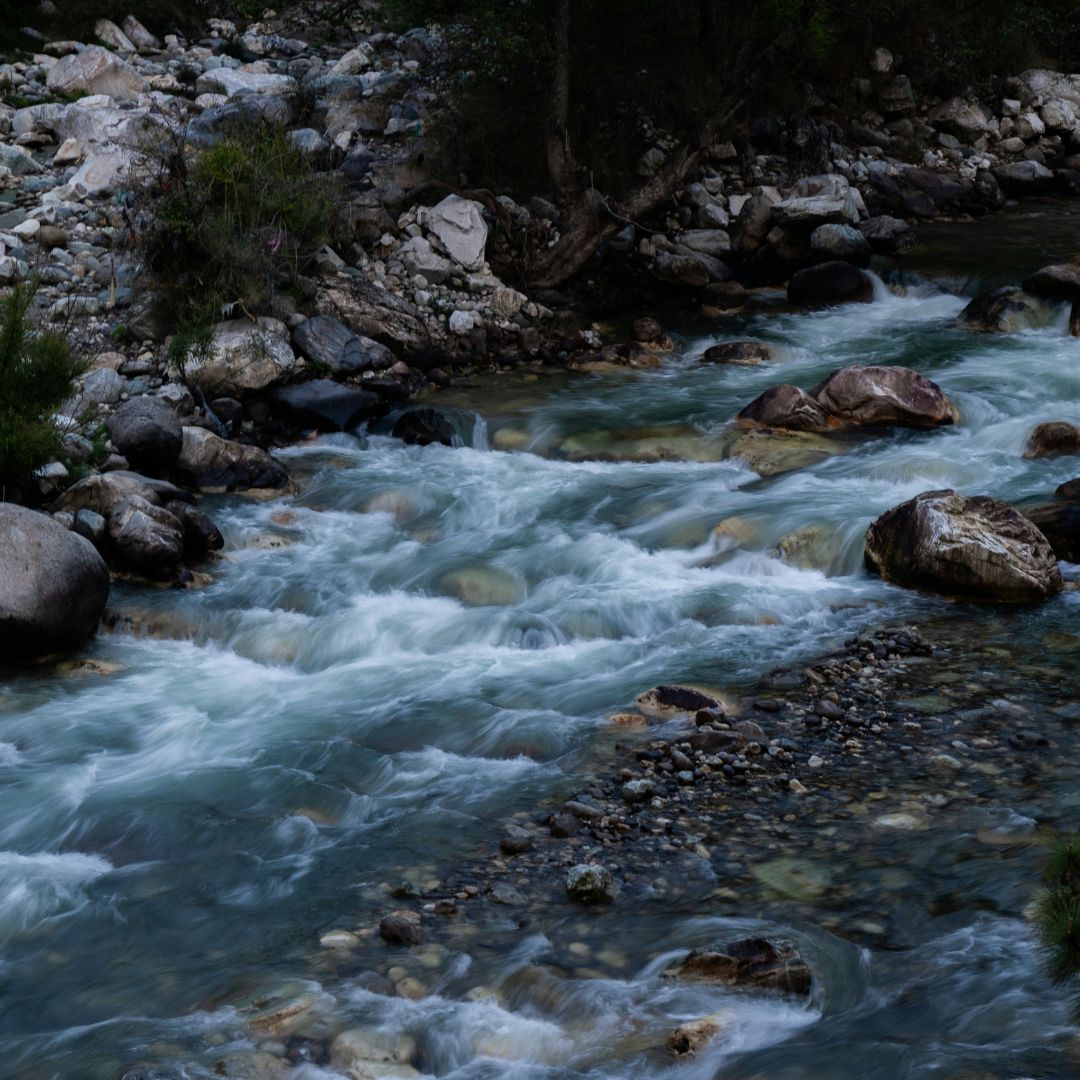
Tirthan Valley follows the Tirthan River through villages such as Gushaini, Jibhi and Shoja. It is valued for slower stays and access to the Great Himalayan National Park, where entry, guides and route conditions should be checked locally. A sensible visit gives priority to Gushaini and Great Himalayan National Park gateway, with the pace adjusted to 2–4 days rather than a checklist of distant stops.
Gushaini establishes the main character of Tirthan Valley, while Great Himalayan National Park gateway adds the access area for registered park visits and guided routes.
A riverside village used as a main Tirthan Valley base.
The access area for registered park visits and guided routes.
A forested village with cafés and local walks.
A higher village on the road towards Jalori Pass.
The activities below are tied to Tirthan Valley itself: spend time at Gushaini, then use Great Himalayan National Park gateway to understand the area beyond a quick photograph.
Keep clear of fast water and private land.
Use current permits, guides and official guidance.
Avoid crowding narrow village roads.
Access is seasonal and weather-dependent.
This 2–4 days plan groups Gushaini with Great Himalayan National Park gateway and keeps Jibhi as a separate extension when road time allows.
Stay in Gushaini or Jibhi and explore local walks.
Allow time for village travel and river safety.
Add Shoja and a registered park outing.
Keep weather buffer for mountain roads.
Share your travel month and whether Village stays, river walks and Great Himalayan National Park access matters most; the route can then be built around Gushaini with realistic transfer time.
Bhuntar airport is the nearest regional airport; onward travel is by road through Kullu and Banjar. For Tirthan Valley, continue by road and keep the arrival day light enough to reach Gushaini only if daylight permits.
Chandigarh and Kalka are practical rail gateways, followed by a long road transfer. The final transfer to Tirthan Valley should be planned separately from the train schedule because hill-road timings vary.
Tirthan Valley is reached via Aut–Banjar. Local roads are narrow and travel time can increase in rain. Use Gushaini as the first local navigation point and confirm the final approach with the accommodation or district authority.
Look for an itinerary that gives Gushaini enough time and connects Tirthan Valley with the same district, instead of treating it as a hurried photo stop.
A complete ten-day Himachal circuit from Delhi covering Shimla, Kufri, Manali, Solang Valley, Dharamshala, Dalhousie and Khajjiar.
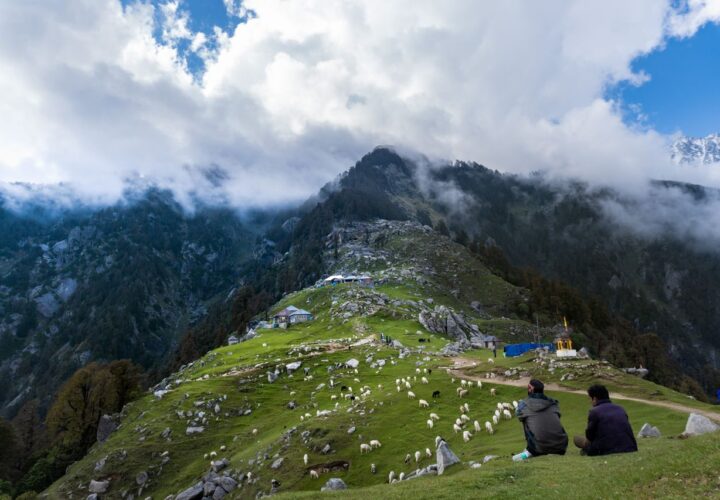
A complete ten-day Himachal circuit from Delhi covering Shimla, Kufri, Manali, Solang Valley, Dharamshala, Dalhousie and Khajjiar.
An eleven-day journey linking Shimla, Manali, Dharamshala, Dalhousie and Amritsar, with Khajjiar, the Golden Temple and Wagah–Attari Border.
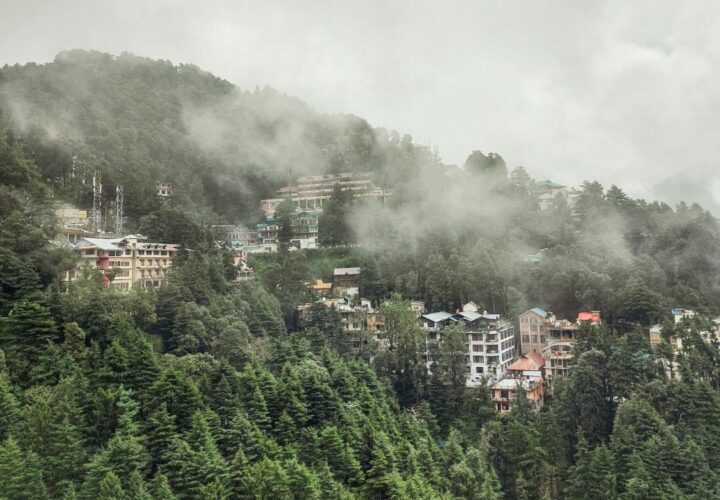
A scenic five-day Dalhousie package from Delhi with Khajjiar’s meadows, Kalatop forests, Dainkund views and Chamba’s temples and museum.
Jibhi is the most natural extension from Tirthan Valley. The other options below suit travellers who have allowed for the stated mountain-road distances.
About 12 km · Forest village and local walking base.
About 20 km · Higher village towards Jalori Pass.
About 5 km · A local market town and transport point.
For Tirthan Valley, March–June and September–November offers the best balance for Gushaini and the surrounding roads. Confirm attraction hours and local weather before setting out.
Longer daylight supports walks and sightseeing around Tirthan Valley. Weekends can be busy at Gushaini, so an early start is worthwhile.
Monsoon weather makes forest paths, river edges and hill roads around Tirthan Valley less predictable. Keep one flexible block in the itinerary.
Autumn often brings clearer views at Gushaini. Winter is quieter, but frost, short daylight and occasional snow affect the higher approaches.
Gushaini homestays is the most relevant first area to check for this itinerary. Verify the specific property’s current access and facilities rather than assuming every stay near Tirthan Valley operates year-round.
A good base near the river and park approach.
Popular for forest settings and café access.
Useful for cooler, higher-altitude views; confirm winter road access.
Fact checked: 12 September 2026. The source below supports the place context for Tirthan Valley; recheck live access, worship arrangements and transport information before relying on a fixed departure time.
The valley is a gateway to the park, but villages and stays are outside the core protected area.
Check current park rules and route requirements; guided travel is sensible for most visitors.