
Shimla, Manali, Dharamshala & Dalhousie from Delhi
A complete ten-day Himachal circuit from Delhi covering Shimla, Kufri, Manali, Solang Valley, Dharamshala, Dalhousie and Khajjiar.
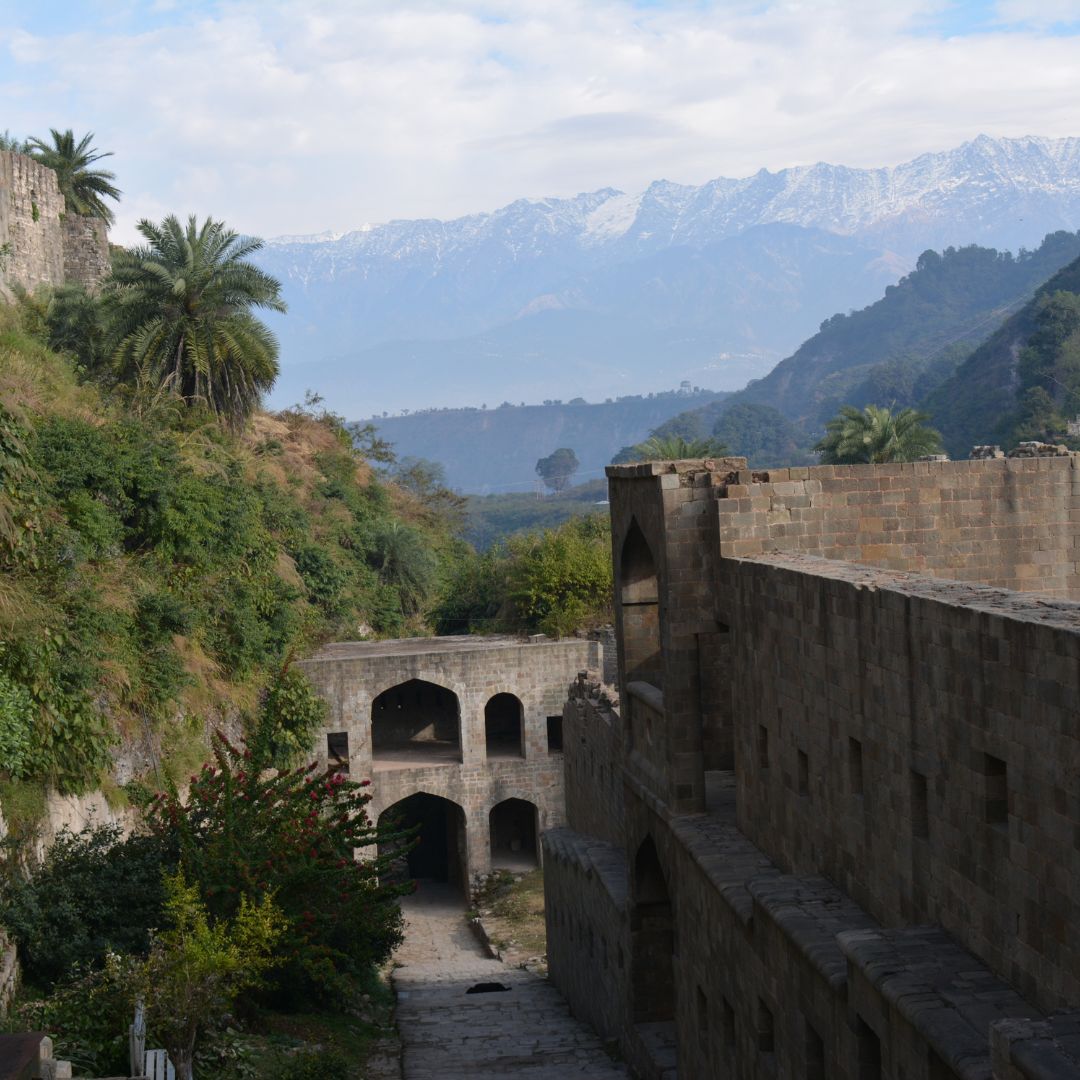
Kangra Fort is a large hill fort associated with the Katoch dynasty and the history of the Kangra Valley. Uneven stone paths, exposed sections and interpretation time make it more than a quick roadside photograph.
October–April and March–June mornings
Half day
Fort complex above the Banganga and Manjhi valleys
Fort architecture, regional history and valley views
Kangra Fort is a large hill fort associated with the Katoch dynasty and the history of the Kangra Valley. Uneven stone paths, exposed sections and interpretation time make it more than a quick roadside photograph. A sensible visit gives priority to Kangra Fort complex and Maharaja Sansar Chandra Museum, with the pace adjusted to Half day rather than a checklist of distant stops.
Kangra Fort complex establishes the main character of Kangra Fort, while Maharaja Sansar Chandra Museum adds interpretive collections near the fort entrance.
Gates, walls, temple remains and viewpoints across the adjoining valleys.
Interpretive collections near the fort entrance.
A sacred part of the fort complex where current access rules apply.
The historic settlement around the fort landscape.
The activities below are tied to Kangra Fort itself: spend time at Kangra Fort complex, then use Maharaja Sansar Chandra Museum to understand the area beyond a quick photograph.
Gates, walls, temple remains and viewpoints across the adjoining valleys.
Interpretive collections near the fort entrance.
A sacred part of the fort complex where current access rules apply.
The historic settlement around the fort landscape.
This Half day plan groups Kangra Fort complex with Maharaja Sansar Chandra Museum and keeps Bajreshwari Devi Temple as a separate extension when road time allows.
Reach Kangra Fort complex first, when there is time to appreciate that gates, walls, temple remains and viewpoints across the adjoining valleys.
Move to Maharaja Sansar Chandra Museum only after the first stop; interpretive collections near the fort entrance.
Share your travel month and whether Fort architecture, regional history and valley views matters most; the route can then be built around Kangra Fort complex with realistic transfer time.
Kangra Airport at Gaggal is the nearest regional airport; flight schedules and baggage limits should be checked before booking. For Kangra Fort, continue by road and keep the arrival day light enough to reach Kangra Fort complex only if daylight permits.
Pathankot is the principal broad-gauge rail gateway, while the narrow-gauge Kangra Valley Railway serves selected local stations. The final transfer to Kangra Fort should be planned separately from the train schedule because hill-road timings vary.
Kangra Valley destinations are linked by hill roads from Pathankot, Dharamshala and Palampur; local traffic and weather affect transfer time. Use Kangra Fort complex as the first local navigation point and confirm the final approach with the accommodation or district authority.
Look for an itinerary that gives Kangra Fort complex enough time and connects Kangra Fort with the same district, instead of treating it as a hurried photo stop.

A complete ten-day Himachal circuit from Delhi covering Shimla, Kufri, Manali, Solang Valley, Dharamshala, Dalhousie and Khajjiar.
An eleven-day journey linking Shimla, Manali, Dharamshala, Dalhousie and Amritsar, with Khajjiar, the Golden Temple and Wagah–Attari Border.
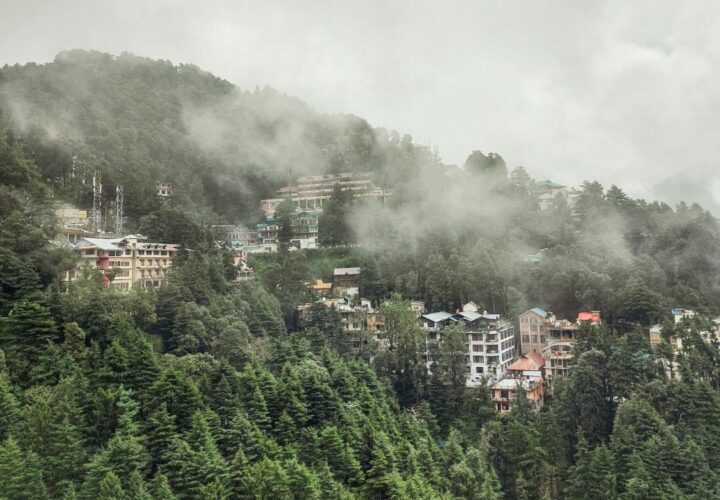
A scenic five-day Dalhousie package from Delhi with Khajjiar’s meadows, Kalatop forests, Dainkund views and Chamba’s temples and museum.
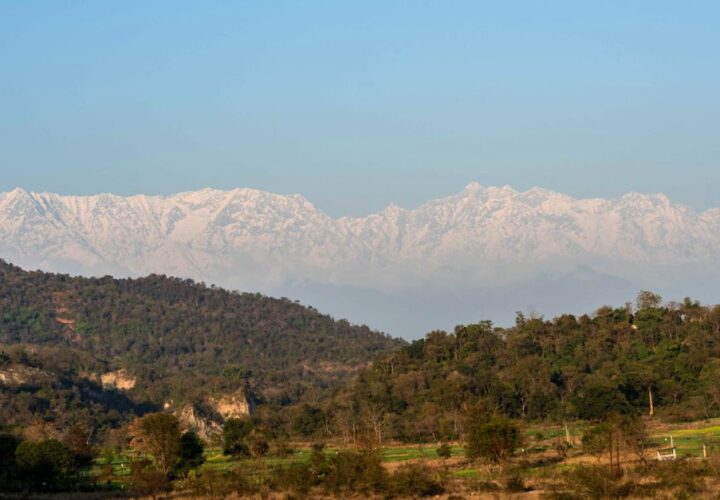
A four-day Dharamshala journey from Delhi featuring Tibetan culture, Bhagsu Waterfall, Dhauladhar viewpoints, Kangra Fort and tea gardens.
Bajreshwari Devi Temple is the most natural extension from Kangra Fort. The other options below suit travellers who have allowed for the stated mountain-road distances.
About 4 km · Active Shakti temple in Kangra town.
About 20 km · Main regional base.
About 35 km · Rock-cut temple complex in rural Kangra.
October–April and March–June mornings is generally the most comfortable period for Kangra Fort. Check the local calendar before visiting Kangra Fort complex, especially around fairs or major worship days.
Afternoons in Kangra Fort can be hot. Put Kangra Fort complex first in the morning, carry drinking water and leave exposed town walking for cooler hours.
Humidity and heavy showers affect lower-hill roads around Kangra Fort. A flexible start is more useful than committing to several distant stops.
Cooler days suit Kangra Fort complex and nearby town travel; fog can occasionally slow early road journeys from the Punjab plains.
Kangra town is the most relevant first area to check for this itinerary. Verify the specific property’s current access and facilities rather than assuming every stay near Kangra Fort operates year-round.
Closest practical base for the fort and temple.
Broader range of accommodation and transport.
Useful when continuing east through the valley.
Fact checked: 12 September 2026. The source below supports the place context for Kangra Fort; recheck live access, worship arrangements and transport information before relying on a fixed departure time.
Expect steps and uneven stone surfaces; allow more time for older travellers.
They can share a full road day, but neither should be reduced to a brief stop.
