HIMACHAL PRADESH

Discover Masroor

Rock-cut temples, mythology and panoramic countryside in the Kangra Valley.

☀ Best time

October–March

◷ Ideal duration

Half to 1 day

△ Elevation

About 760 m

◎ Best suited to

Archaeology, architecture and a focused heritage visit

KNOW MASROOR

Masroor travel guide

Masroor is an archaeological destination centred on an early medieval group of rock-cut Hindu temples carved from sandstone. The complex, sacred pool and Dhauladhar backdrop deserve a focused visit of several hours rather than a rushed photo stop. It is a protected monument in a rural setting, so visitors should avoid touching or climbing on carved surfaces and confirm current opening arrangements.

Top Places to Visit in Masroor

Explore the landmarks, culture and natural settings around Masroor.

Masroor rock-cut temples

An early medieval monolithic temple complex carved from sandstone.

Sacred pool

A reflective water tank directly in front of the principal shrine group.

Central shrine

The main part of the complex, with surviving sculptural and architectural details.

Temple elevations

Rock-cut towers that demonstrate North Indian Nagara architectural ideas.

Dhauladhar viewpoint

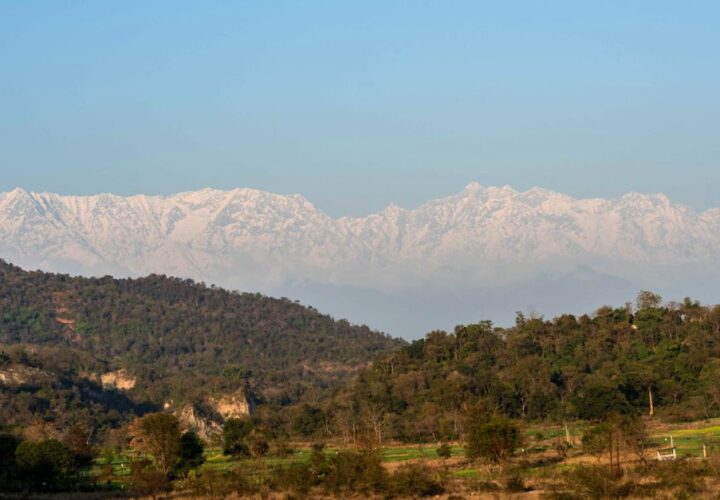
Clear days reveal a wide mountain backdrop beyond the temple complex.

Masroor village

A rural Kangra setting that gives context to the protected monument.

Kangra Fort

A major Katoch-era fort best visited as a separate heritage stop.

Pong Dam wetland

A reservoir and bird habitat suited to a longer excursion.

Things to Do in Masroor

Practical experiences to help you explore Masroor at a comfortable pace.

01

Examine the rock-cut temple architecture

Allow time to understand how the temple group was cut from rock.

02

Walk around the sacred pool

Use reflections without stepping into restricted areas.

03

Use an on-site guide for historical context

Interpretation adds context beyond visual sightseeing.

04

Photograph the complex without climbing on monuments

Protect the monument by staying off carvings and fragile surfaces.

05

Combine the visit with Kangra Fort

Kangra Fort makes a strong second heritage stop on a full day.

06

Explore the surrounding rural landscape

Drive slowly through villages and avoid obstructing local access.

CHOOSE YOUR PACE

Plan Your Masroor Itinerary

Pick a plan according to the time you have, then adjust the pace around weather and walking comfort.

Half day · Monument focus

First stop

Explore the temple complex and pool

Later

Allow time for interpretation and photography

1 day · Masroor and Kangra

First stop

Visit Masroor early

Later

Continue to Kangra Fort

2 days · Kangra heritage

Day 1

Pair Masroor and Kangra Fort

Day 2

Add Pragpur or Dharamshala on day two

Need a personalised Masroor itinerary?

Tell us your dates, interests and preferred pace.

How to Reach Masroor

By air

Kangra Airport at Gaggal is the nearest regional airport, followed by a road journey of roughly 35–45 km depending on the route.

By train

Pathankot Cantt is the main broad-gauge railhead. Limited Kangra Valley narrow-gauge services may serve closer stations, but schedules should be checked before relying on them.

By road

Masroor is reached by rural roads from Kangra, Dharamshala or Nagrota Surian. The final approach is slower than its map distance suggests, so allow buffer time.

Places Near Masroor

Nearby places for a separate excursion or the next stop on your trip.

Kangra Fort

About 40 km

A major Katoch-era fort best visited as a separate heritage stop.

Dharamshala

About 45 km

Dharamshala combines a busy lower town with the Tibetan cultural centre of McLeod Ganj higher on the ridge. Monasteries, museums, cafés, forest walks and…

Pragpur

About 50 km

Pragpur is a notified heritage village in the lower Kangra Valley, known for cobbled lanes, courtyard houses and merchant-era architecture. Its appeal is the…

Pong Dam wetland

About 45 km

A reservoir and bird habitat suited to a longer excursion.

Jwalamukhi

About 55 km

A pilgrimage town known for the Jwalamukhi temple’s sacred flames.

Palampur

About 65 km

Palampur is a tea-growing town beneath the Dhauladhar range, with working gardens, stream valleys and access to Andretta, Baijnath and Bir. The town itself…

Best Time to Visit Masroor

October–March

Comfortable weather and clearer mountain views.

🌤

April–June

Hot, exposed afternoons; visit early with water and sun protection.

July–September

Monsoon rain can slow rural roads and make stone surfaces slippery.

Where to Stay in Masroor

WelcomHeritage The Judge’s Court

A heritage base at Pragpur for Masroor and lower Kangra.

The Chateau Garli

A heritage stay in Garli, suited to a combined rural circuit.

WelcomHeritage Taragarh Palace

A heritage hotel near Palampur with road access towards Masroor.

Hotel Dhauladhar

An HPTDC hotel in Dharamshala, a practical larger-town base.

Norbu House

A Tibetan-style hotel in McLeod Ganj for a wider Kangra trip.

Hyatt Regency Dharamshala Resort

A full-service forest resort above Dharamshala.

Frequently Asked Questions

Government tourism material describes the complex as early eighth century; scholarly dating and interpretation should be presented with appropriate caution.

Allow two to three hours for the complex, pool and interpretation, excluding the rural road journey.

No. Stay on permitted paths and do not touch or climb the protected stonework.

Kangra Fort makes the strongest full-day heritage pairing if travel starts early.