
Himachal Highlights: Shimla, Manali, Dharamshala & Dalhousie
A complete ten-day Himachal circuit from Delhi covering Shimla, Kufri, Manali, Solang Valley, Dharamshala, Dalhousie and Khajjiar.
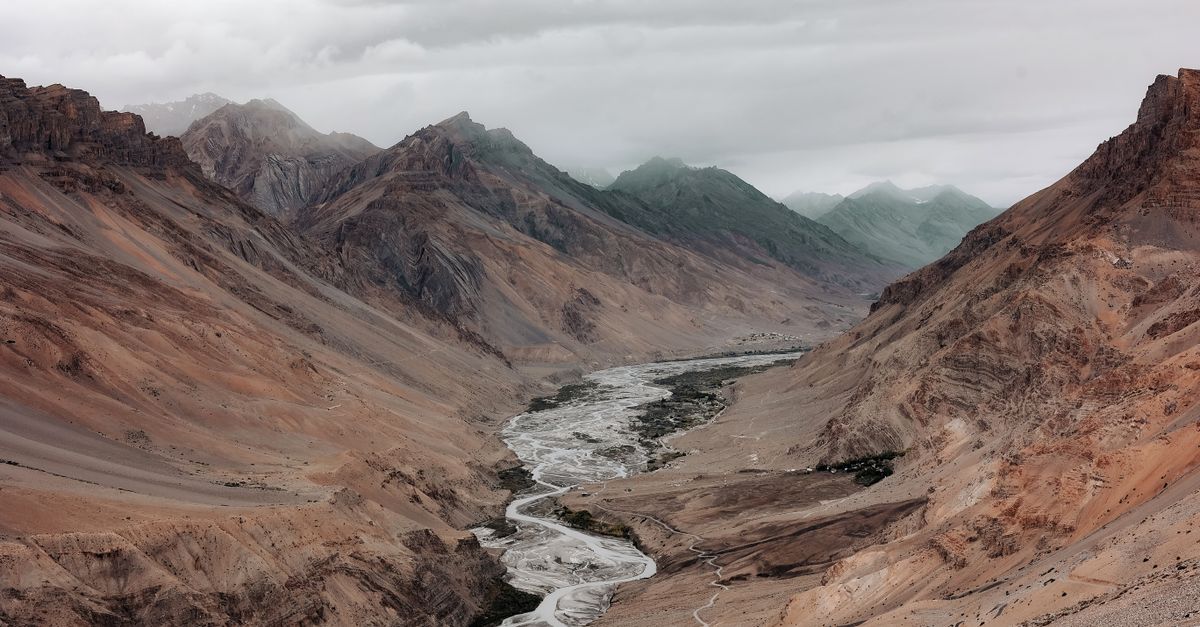
Spiti Valley is a high-altitude region, not one compact attraction. A responsible circuit allows acclimatisation in Kaza, separates the Tabo–Dhankar and Key–Kibber sides, and treats Kunzum or Chandratal access as conditional.
June–September for the broad road circuit
7–10 days
Mostly above 3,000 m, with villages exceeding 4,000 m
Cold-desert landscapes, monasteries and high villages

Spiti Valley is a high-altitude region, not one compact attraction. A responsible circuit allows acclimatisation in Kaza, separates the Tabo–Dhankar and Key–Kibber sides, and treats Kunzum or Chandratal access as conditional. A sensible visit gives priority to Tabo Monastery and Dhankar, with the pace adjusted to 7–10 days rather than a checklist of distant stops.
Tabo Monastery establishes the main character of Spiti Valley, while Dhankar adds cliff-side village and monastery above the river confluence.

Historic earthen monastic complex in lower Spiti.

Cliff-side village and monastery above the river confluence.

Central service town and acclimatisation base.

High monastery-and-village circuit above the Spiti River.
The activities below are tied to Spiti Valley itself: spend time at Tabo Monastery, then use Dhankar to understand the area beyond a quick photograph.
Historic earthen monastic complex in lower Spiti.
Cliff-side village and monastery above the river confluence.
Central service town and acclimatisation base.
High monastery-and-village circuit above the Spiti River.
This 7–10 days plan groups Tabo Monastery with Dhankar and keeps Nako as a separate extension when road time allows.
Reach Tabo Monastery first, when there is time to appreciate that historic earthen monastic complex in lower Spiti.
Move to Dhankar only after the first stop; cliff-side village and monastery above the river confluence.
Give the first day to Tabo Monastery and Dhankar, which together cover the destination’s main setting.
Reserve the second day for Kaza and Key and Kibber so the onward road is not squeezed into the same afternoon.
Share your travel month and whether Cold-desert landscapes, monasteries and high villages matters most; the route can then be built around Tabo Monastery with realistic transfer time.
Lahaul and Spiti has no commercial airport; Chandigarh or Bhuntar can only serve as the start of a long road journey. For Spiti Valley, continue by road and keep the arrival day light enough to reach Tabo Monastery only if daylight permits.
There is no railway in Lahaul and Spiti. Chandigarh and Kalka are practical rail gateways for the Shimla–Kinnaur approach. The final transfer to Spiti Valley should be planned separately from the train schedule because hill-road timings vary.
Reach Spiti via Shimla and Kinnaur for a more gradual climb, or from Manali only when the seasonal passes and roads are open; verify official road conditions. Use Tabo Monastery as the first local navigation point and confirm the final approach with the accommodation or district authority.
Look for an itinerary that gives Tabo Monastery enough time and connects Spiti Valley with the same district, instead of treating it as a hurried photo stop.

A complete ten-day Himachal circuit from Delhi covering Shimla, Kufri, Manali, Solang Valley, Dharamshala, Dalhousie and Khajjiar.
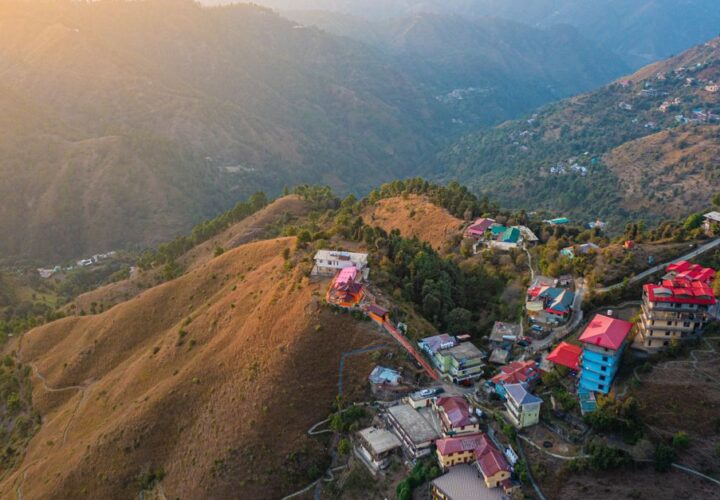
A complete ten-day Himachal circuit from Delhi covering Shimla, Kufri, Manali, Solang Valley, Dharamshala, Dalhousie and Khajjiar.

An eleven-day journey linking Shimla, Manali, Dharamshala, Dalhousie and Amritsar, with Khajjiar, the Golden Temple and Wagah–Attari Border.
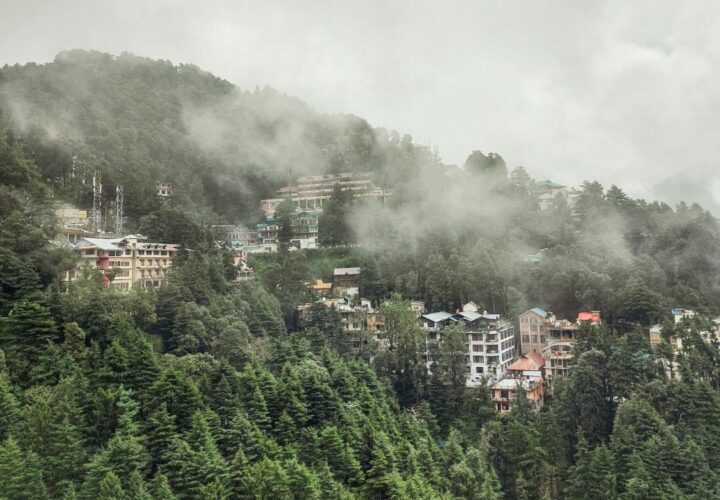
A scenic five-day Dalhousie package from Delhi with Khajjiar’s meadows, Kalatop forests, Dainkund views and Chamba’s temples and museum.
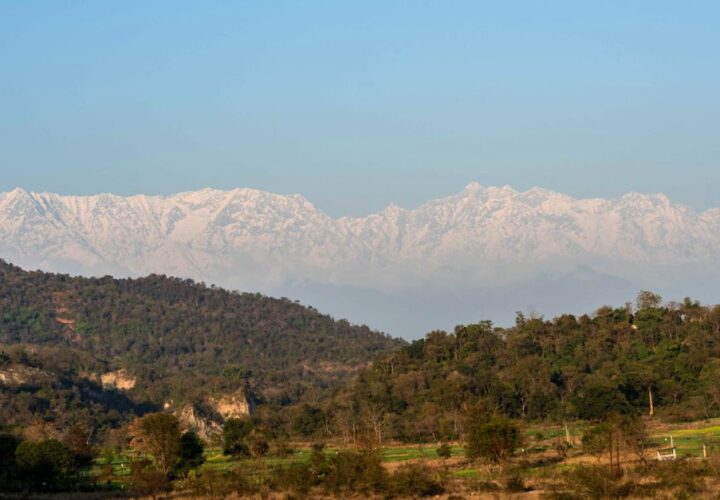
Nako is the most natural extension from Spiti Valley. The other options below suit travellers who have allowed for the stated mountain-road distances.

South of Tabo · High Kinnaur village on the Shimla approach.

Seasonal road access · Protected high-altitude lake reached only when roads open.

Branch valley from the central Spiti road · Villages, geology and protected landscapes.
June–September for the broad road circuit is the practical window for Spiti Valley. Build in acclimatisation time before visiting Tabo Monastery and check which approach roads are open.
Long daylight helps with the high-altitude village circuit around Spiti Valley, but ultraviolet exposure, wind and near-freezing nights remain possible even in summer.
An October visit to Tabo Monastery depends on operating guesthouses and road conditions; after sunset the temperature drops quickly at this elevation.
Winter changes Spiti Valley into a specialist journey with limited services. Kunzum Pass is seasonally closed, so any access is normally via the Kinnaur side and remains weather-dependent.
Kaza is the most relevant first area to check for this itinerary. Verify the specific property’s current access and facilities rather than assuming every stay near Spiti Valley operates year-round.

Best service base for central circuits and acclimatisation.

Useful for the southern heritage route.

Add only after acclimatisation and with confirmed road access.
Fact checked: 12 September 2026. The source below supports the place context for Spiti Valley; recheck live access, worship arrangements and transport information before relying on a fixed departure time.
No. The approach is long and the altitude requires a slower 7–10 day circuit.
The Shimla–Kinnaur approach generally gains height more gradually than arriving through Manali and Kunzum.
