2 Days / 1 Night · Moderate

Churdhar Trek

A forest and ridge trek in Sirmaur leading to the Churdhar summit area, known for expansive Himalayan views and the Shirgul Maharaj temple.

Trek overview facts

Trek essentials

Duration2 Days / 1 Night
Group sizePrivate / small group
Best timeApril to June and September to November
Maximum altitudeAbout 3,647 m
Start pointNohradhar
DifficultyModerate
Trek overview

Everything You Need to Know

Churdhar is one of the defining treks of Sirmaur and a good option for walkers looking beyond the Manali and Dharamshala circuits. The Nohradhar route climbs steadily through forest towards the temple and summit area. Although technically straightforward in normal conditions, the distance, sustained ascent and changing weather make it a proper trek rather than a casual walk. Pilgrimage traffic, snow and seasonal facilities can affect the experience, so an early start and local guidance are sensible.

Trek Highlights

  • Explore a major trekking route in Sirmaur
  • Climb through mixed Himalayan forest
  • Visit the Shirgul Maharaj temple area
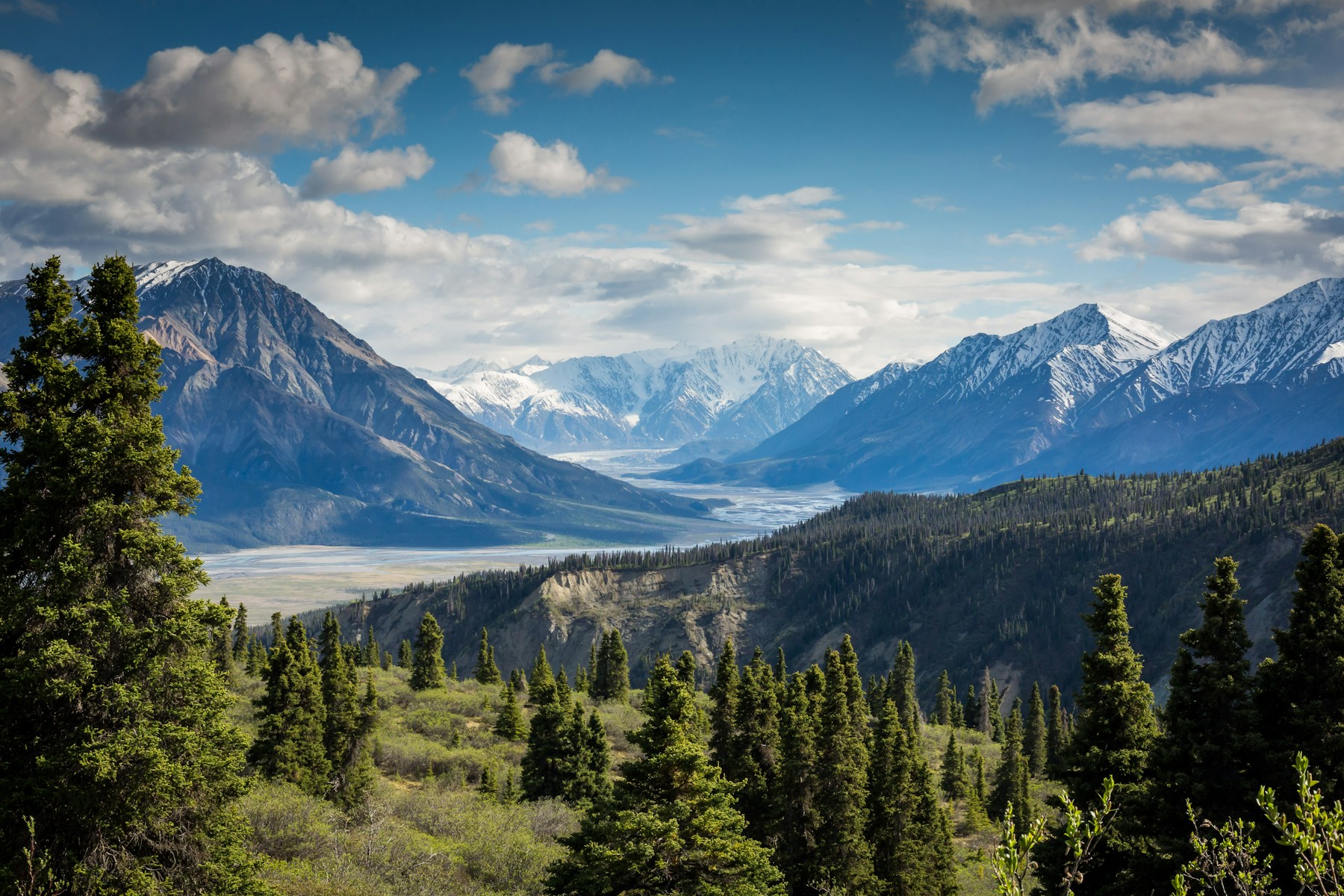
  • See broad views from the Churdhar ridge
  • Discover a quieter trekking region of Himachal
Trail guide

Churdhar Trek Route and Distance

The Nohradhar route climbs steadily through mixed Himalayan forest towards the Shirgul Maharaj temple and Churdhar ridge. It is a long approach with sustained elevation gain, so a two-day plan is more comfortable than attempting the entire return journey in one day. Seasonal snow and changing visibility can affect the upper trail.

Choose your dates

Best Time for the Churdhar Trek

April to June and September to November are normally the most practical months. Spring and early summer offer longer daylight, while autumn often brings clearer ridge views. Winter access can be difficult because of snow, cold and limited facilities; always confirm the trail status locally.

Day by day

Trek Itinerary

01

Day 1

Nohradhar to the upper halt | Begin early after checking the forecast and trail status. Climb through forest at a steady pace and stop for the night at the planned seasonal halt.
02

Day 2

Churdhar summit area and descent | Start before sunrise where appropriate, continue towards the temple and summit area, and descend to Nohradhar with adequate daylight.

What’s Included

  • A trek leader familiar with Churdhar Trek
  • A route and weather briefing at Nohradhar
  • The camps or simple stays named in the confirmed itinerary
  • Only meals and local transfers itemised for this 2 Days / 1 Night route
  • Permits specifically confirmed for the departure

Not Included

  • Travel to Nohradhar unless listed in the quotation
  • Personal equipment not named in the Churdhar Trek gear package
  • Rescue, evacuation, insurance and medical expenses
  • Food or lodging outside the confirmed 2 Days / 1 Night itinerary
  • Personal purchases and unlisted services

Stay, Meals and Transport

⌂

Stays & Meals

Churdhar Trek uses the camps, village rooms or simple mountain accommodation appropriate to its 2 Days / 1 Night route. The final plan must name each halt and meal arrangement because facilities can change by season.

↗

Transport

The transfer plan for Churdhar Trek must state how the group reaches Nohradhar and where it finishes. Snow, road damage or local controls can move the practical pickup point.

Booking and Cancellation

  1. Churdhar Trek operates only when its route and weather are considered safe.
  2. The leader may change a camp, shorten a stage or turn back below About 3,647 m.
  3. Insurance should cover trekking at this elevation and emergency evacuation.
  4. Participants must disclose medical conditions relevant to a Moderate trek before confirmation.

Churdhar Trek FAQs

Is Churdhar Trek a one-day trek?

Strong hikers sometimes attempt a long day, but a two-day plan is more comfortable and allows for weather and rest.

What makes the Nohradhar route demanding?

The sustained ascent and total walking time are more important than technical difficulty.

Is there snow on Churdhar?

Snow is seasonal and can remain or return outside the main summer period. Confirm current conditions before departure.

Are food and shelter always available?

Seasonal facilities may operate near the route, but availability should never be assumed. Carry essential food, water and emergency layers.

Is the trek open throughout winter?

Winter access can be difficult or unsafe because of snow and limited services. Follow local administration and guide advice.