


Bhakra Dam
Bhakra Dam is a major dam on the Sutlej, associated with the Gobind Sagar reservoir. Visits depend on current security and project rules, so travellers should not assume access beyond authorised public viewpoints.
Explore valleys, heritage towns, villages and high-altitude landscapes.
Bhakra Dam is a major dam on the Sutlej, associated with the Gobind Sagar reservoir. Visits depend on current security and project rules, so travellers should not assume access beyond authorised public viewpoints.

Kullu is the main town of the Beas Valley, between Mandi and Manali. It is known for Dussehra, traditional weaving, temples and its role as a practical base for trips through the valley.
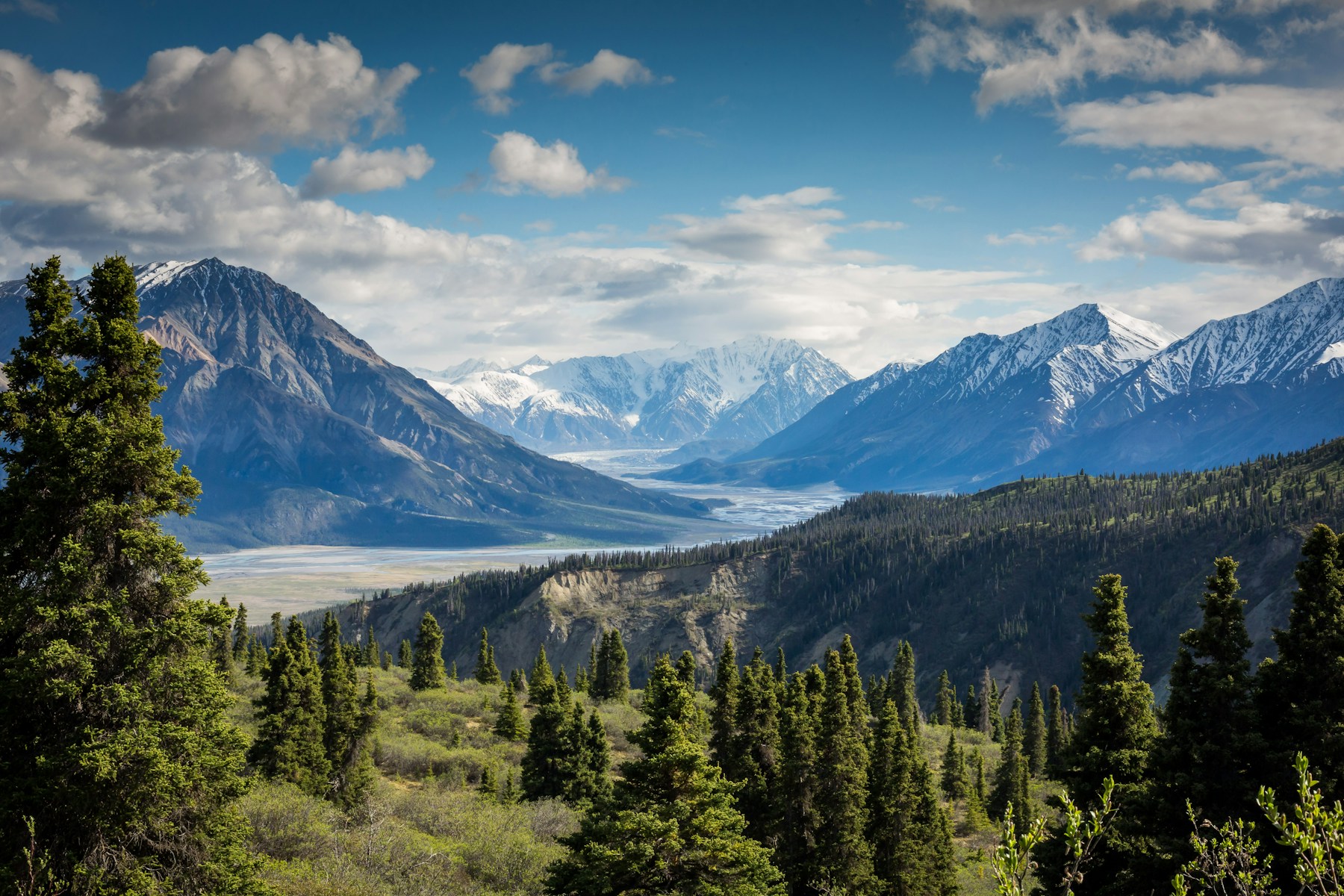
Haripurdhar is a ridge-top settlement in Sirmaur associated with Maa Bhangayani Temple and the wider Churdhar landscape. It is a useful overnight base for travellers exploring eastern Sirmaur, but winter snow, fog and long mountain roads require conservative driving plans.
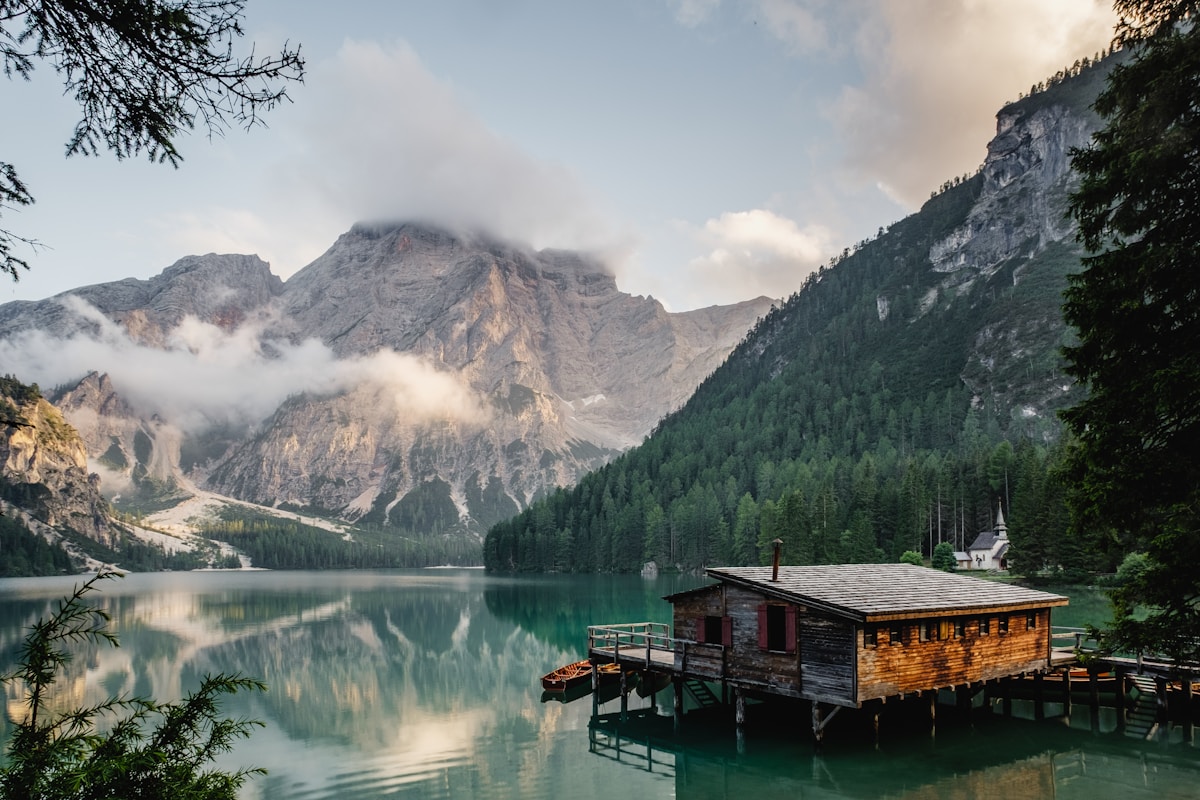
Gasota Mahadev is a long-established Shiva temple about nine kilometres from Hamirpur on the Hamirpur–Jahu road. The temple, its natural stream and the annual Jyeshtha cattle fair are living religious and community spaces, so visitors should follow local worship and fair-day directions.
Swarghat is a lower-Himalayan road stop in Bilaspur district on the route between Chandigarh and the Kullu–Manali corridor. It is useful for a quiet overnight pause rather than a destination with dense sightseeing.
Gobind Sagar is the large reservoir formed by the Bhakra Dam on the Sutlej. It is a landscape destination rather than a single attraction; viewpoints, water levels and permitted activities vary by location and season.
Naina Devi is a hilltop pilgrimage town above Gobind Sagar in Bilaspur district. It is especially busy during Navratri, when travellers should expect queues, parking controls and changed local traffic arrangements.
Bilaspur town sits above the Gobind Sagar reservoir in lower Himachal. It works as a practical base for lake views, nearby temples and road travel between Punjab and the Kullu–Manali corridor.
Pir Nigaha is a local religious site near Una, visited by people from the surrounding lower-Himalayan region. It works as a short, respectful stop on a wider Una or temple-circuit itinerary.
Dera Baba Barbhag Singh is a Sikh pilgrimage site near Una, visited for its religious importance. Visitors should approach it as an active place of worship and follow local directions on access and behaviour.
Amb is a lower-Himachal town in Una district, useful for rail access at Amb Andaura and as a practical base for Chintpurni and nearby temple routes.
Chintpurni is a major Shakti pilgrimage town in Una district, centred on the Chintpurni Temple. Festival periods require early planning because queues, parking and accommodation fill quickly.
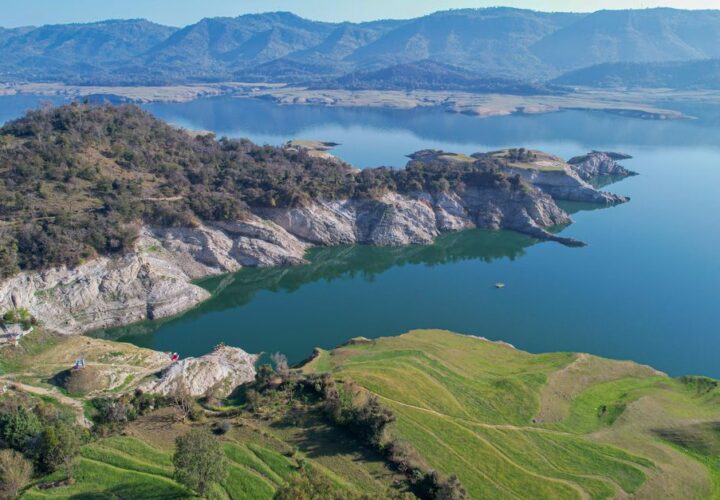
Una is a lower-Himachal town close to Punjab, useful as a rail-and-road gateway for Chintpurni, Amb and other temple circuits. It is a practical base more than a hill-station destination.
Dharampur is a small hill settlement on the Kalka–Shimla railway and road corridor, commonly used as a base for Kasauli and Barog.
Nalagarh is a lower-hill town in Solan district known for its former princely-state heritage and easy access from Punjab. It is better suited to a quiet heritage stop than a traditional hill-station holiday.
Barog is a small hill stop on the Kalka–Shimla mountain railway and highway corridor, known for its tunnel, forested slopes and legacy hotel setting.
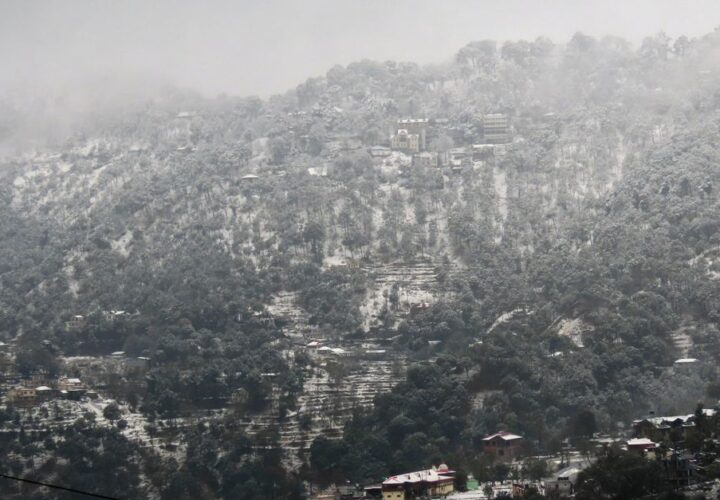
Kasauli is a compact hill town known for its colonial-era architecture, forest walks and slower pace. Traffic and parking are limited on busy weekends, so walking and early arrival work best.
Solan is a hill town on the Chandigarh–Shimla corridor, known for its local markets, nearby heritage sites and role as a base for Kasauli, Barog and Chail.
Paonta Sahib is a Sikh pilgrimage town on the Yamuna in southeastern Sirmaur, centred on Gurdwara Paonta Sahib. It can be combined with Nahan or the Dehradun–Yamuna corridor.
Churdhar is a high ridge and pilgrimage destination in Sirmaur, reached by trekking routes such as Nohradhar. It is not a casual day walk: weather, fitness, trail conditions and local guidance should shape the plan.
Renuka Lake is a natural lake and pilgrimage landscape in Sirmaur, associated with local religious tradition and surrounded by forest. Visitors should follow sanctuary and lakeside rules, particularly around wildlife and boating.
Nahan is the historic headquarters of Sirmaur, with old streets, temples and a compact hill-town setting. It works as a base for Renuka Lake, Paonta Sahib and nearby lower-Himalayan drives.
Karsog is a broad, quieter valley in Mandi district, known for orchards, temples and rural hill landscapes. It suits travellers looking beyond the main highway circuit.
Barot is a quiet Uhl Valley village reached from Mandi through Joginder Nagar. It is known for river scenery, small stays and access to slower village walks; fishing and water access should follow local rules.
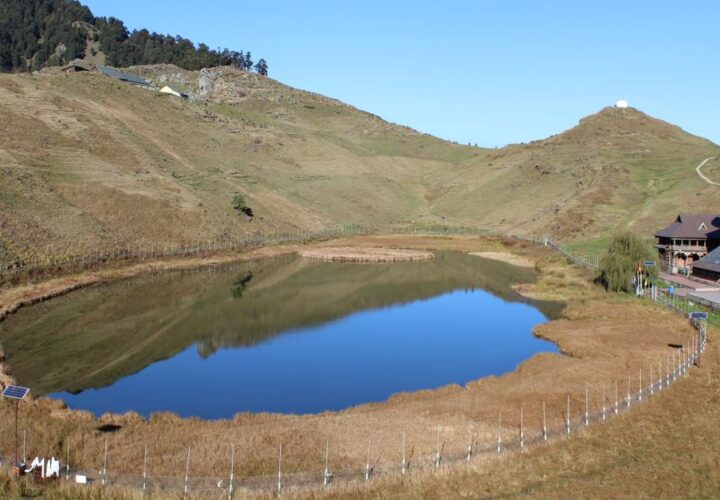
Prashar Lake is a high lake and temple site above Mandi. The final road is steep and weather-sensitive, so it should be planned as a full day with daylight driving and an early start.
Rewalsar is a small lake town above Mandi, associated with Buddhist, Hindu and Sikh traditions. It is a place for a respectful slow walk around the lake and religious sites.
Mandi is a Beas Valley town known for its dense cluster of historic temples and its role as a road gateway to Kullu, Barot, Rewalsar and Prashar.
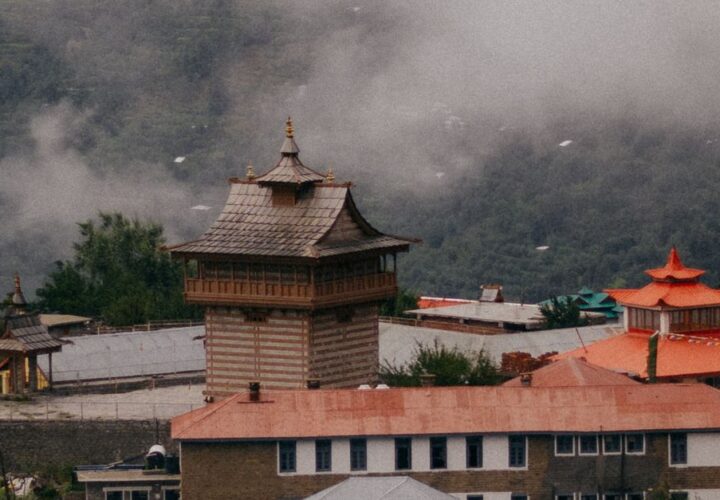
Reckong Peo is the district headquarters of Kinnaur and the practical transport, market and permit base for Kalpa and wider valley travel. It has broad views towards Kinnaur Kailash in clear weather.
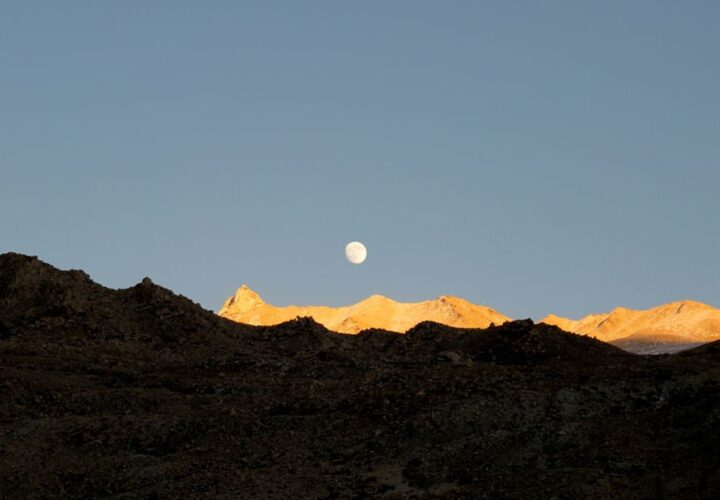
Nako is a high village above the Sutlej valley, known for its lake, Buddhist heritage and place on the route between Kinnaur and Tabo. Because of the altitude, it works best as a quiet overnight stop.
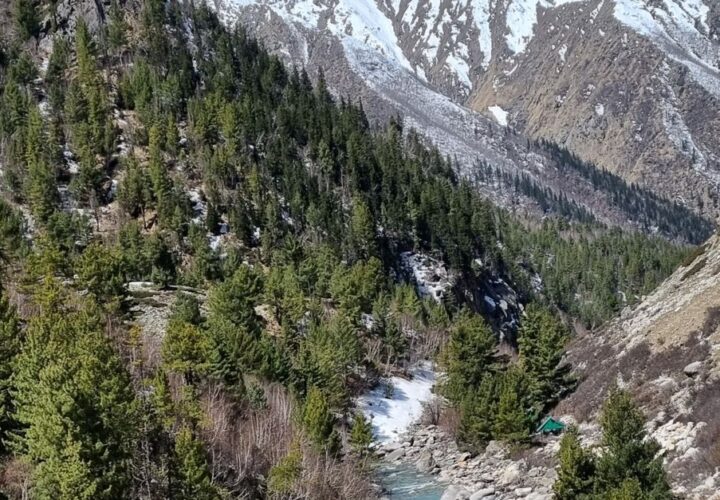
Chitkul is an upper Baspa Valley village near the end of the public road from Sangla. Its high altitude and remote setting make it best for a short, unhurried visit with weather and road buffers.
Sangla is a main base in the Baspa Valley, known for mountain views, traditional architecture and access to Rakchham and Chitkul. The valley road is scenic but can be slow after rain or roadwork.
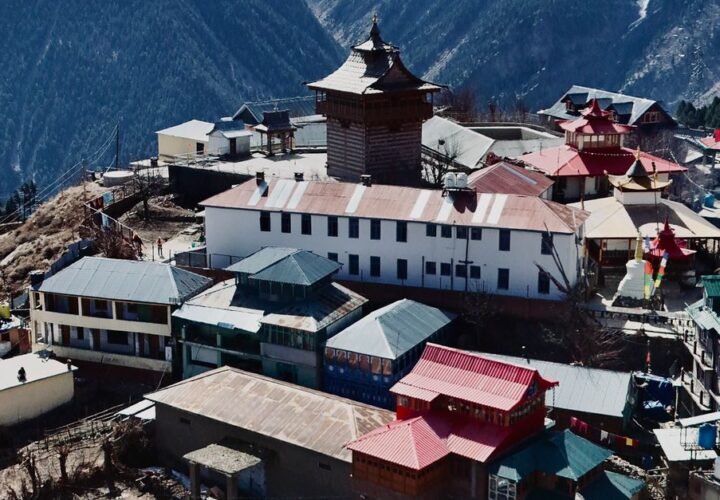
Kalpa is a Kinnaur village known for views of Kinnaur Kailash, orchards, local temples and a calm high-altitude setting. It is best visited with buffer time for the long NH5 approach.
Deotsidh is a major pilgrimage centre in Hamirpur district, centred on the Baba Balak Nath temple. Visits require patience on festival days and respect for temple rules.
Nadaun lies on the Beas in Hamirpur district and is known for its riverside setting and fort heritage. The town is easy to combine with Sujanpur or Hamirpur.
Sujanpur Tira is a historic town on the Beas-side hills, associated with the Katoch rulers and an expansive Chaugan. It rewards a focused heritage visit.
Hamirpur is a lower-Himachal district town with markets, temples and access to Sujanpur, Nadaun and Deotsidh. It suits a slow local circuit rather than a rushed transfer stop.
Chail is a former princely hill retreat in forested hills southeast of Shimla. Its palace, cricket ground and quiet roads make it a useful alternative for travellers who prefer slower mountain stays.
Naldehra is a forested ridge west of Shimla known for its historic golf course and open views between cedar trees. It is best visited as a relaxed outing from Shimla or Mashobra.
Kufri is a high ridge east of Shimla, used for views, short walks and seasonal snow visits. It is popular on weekends, so a morning start and realistic expectations about traffic make the visit more enjoyable.
Kibber is a high Spiti village beyond Key Monastery. It is a place for a slow landscape visit, not a quick altitude challenge; services are limited and weather can change quickly.
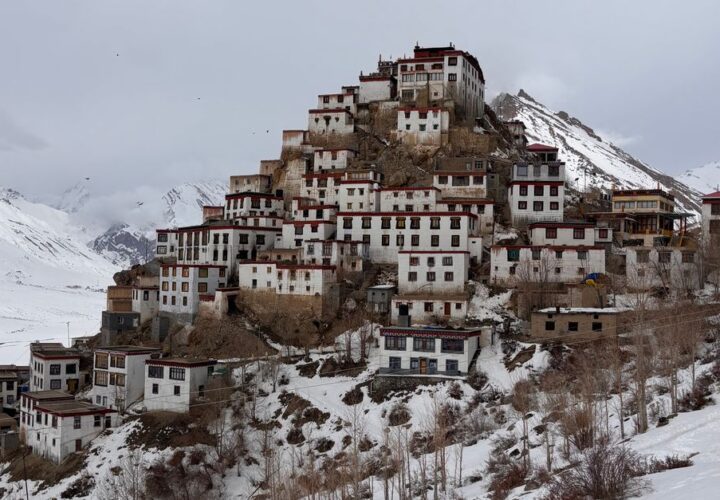
Key Monastery is a major Buddhist monastery above the Spiti River, close to Kaza. Its elevation makes even a short visit physically demanding for travellers who have not acclimatised.
Tabo is a small Spiti settlement best known for Tabo Monastery, one of the Himalayan region’s important Buddhist heritage sites. Its earthen architecture and mural spaces require respectful, low-impact visits.
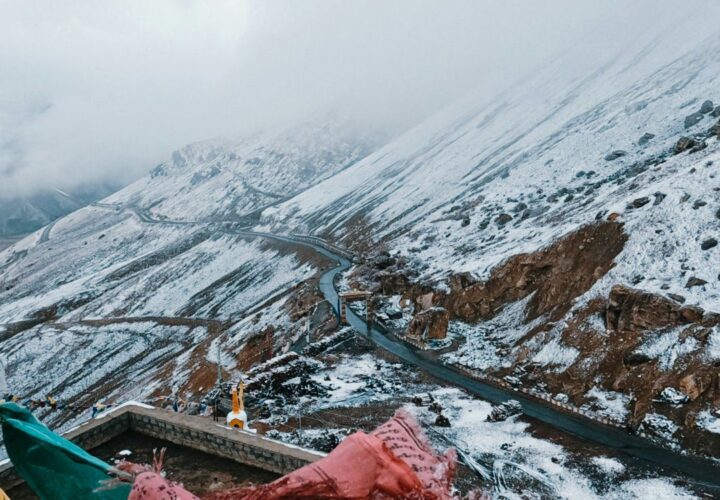
Kaza is the main service town in central Spiti and a useful base for Key, Kibber, Langza, Hikkim and Komic. It is already at high altitude, so arrivals should be followed by a gentle day and not a rapid sightseeing circuit.
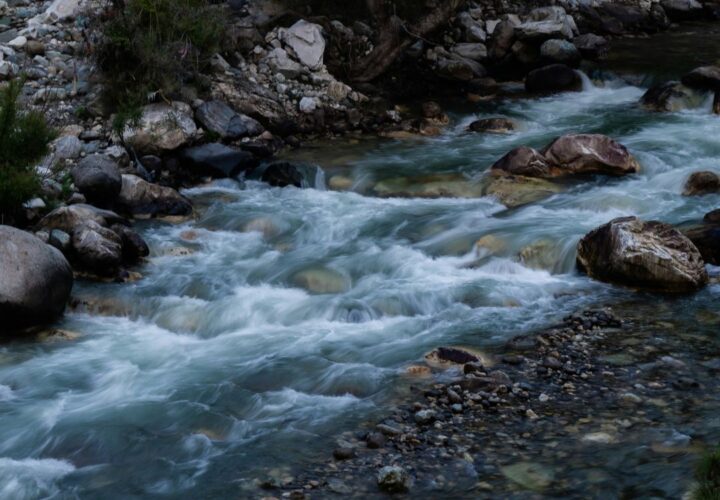
Tirthan Valley follows the Tirthan River through villages such as Gushaini, Jibhi and Shoja. It is valued for slower stays and access to the Great Himalayan National Park, where entry, guides and route conditions should be checked locally.
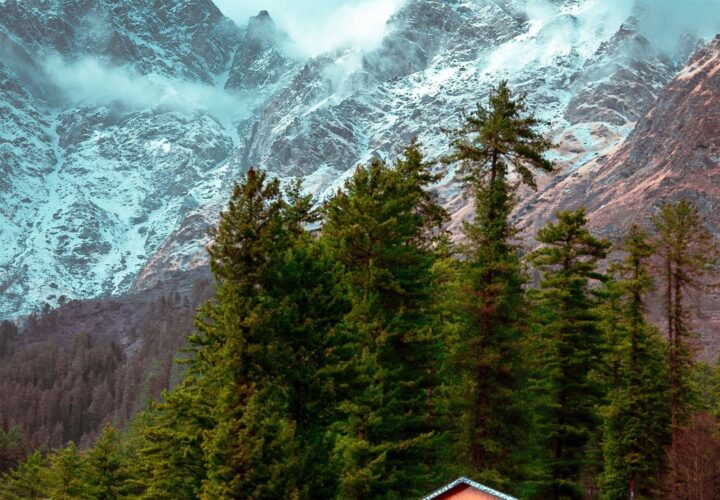
Kasol is a small settlement in the Parvati Valley, used as a base for Manikaran, Chalal, Tosh, Pulga and other nearby villages. Its popularity means visitors should choose quieter travel times, use registered stays and respect local land and river safety.
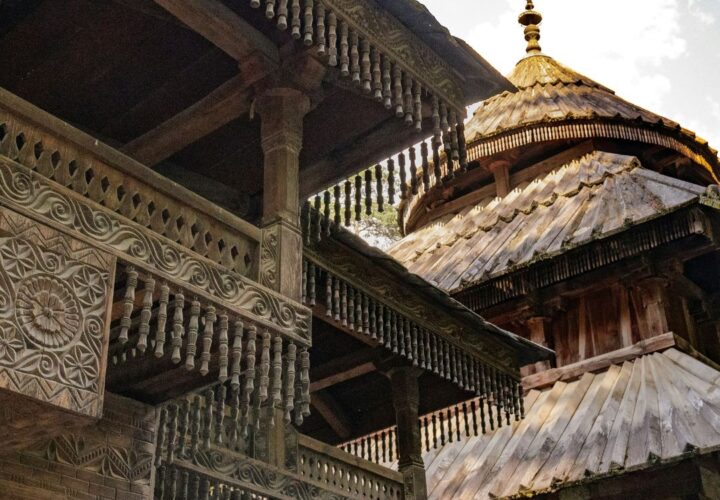
Naggar is a historic village on the left bank of the Beas, between Kullu and Manali. Its old castle, temples and art heritage make it a quieter alternative to staying in central Manali.
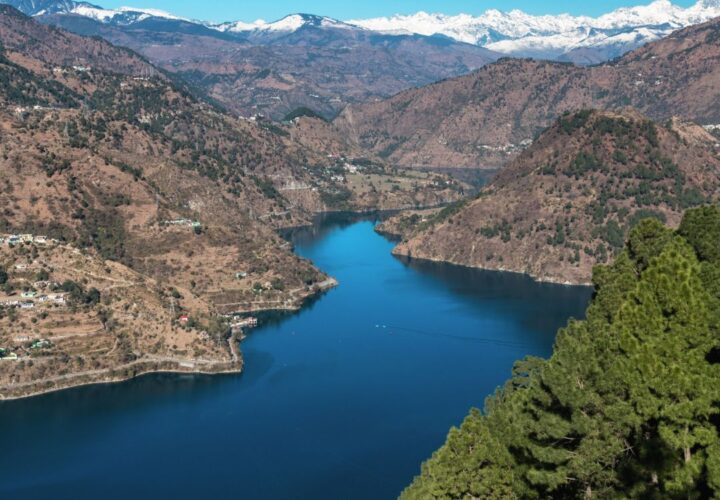
Chamera Lake is a reservoir on the Ravi near the Chamera Hydroelectric Project. It works best as a scenic road excursion from Dalhousie or Chamba; water activities, access points and facilities can vary, so confirm them locally.
Bharmour is a high mountain town in the Budhil Valley, valued for the Chaurasi temple complex and as a route base for nearby high valleys. Road conditions and rainfall can shape travel plans, so it rewards an unhurried visit.
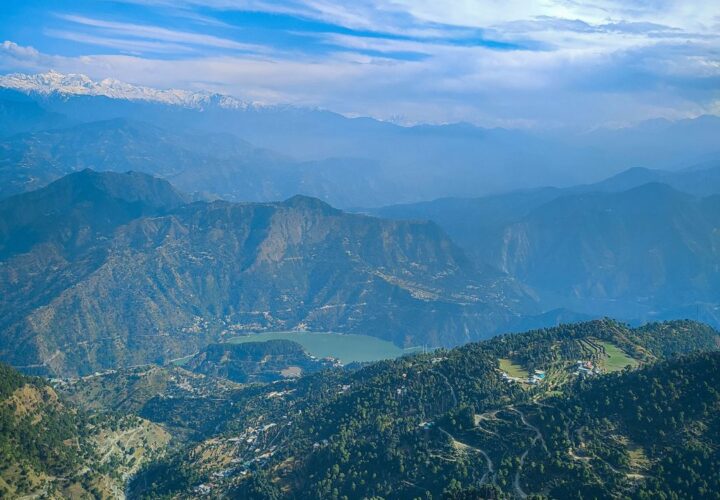
Chamba town sits above the Ravi and is known for the Chaugan, historic temples, Chamba Rumal embroidery and the Bhuri Singh Museum. A considered visit works better than attempting it between long mountain drives.
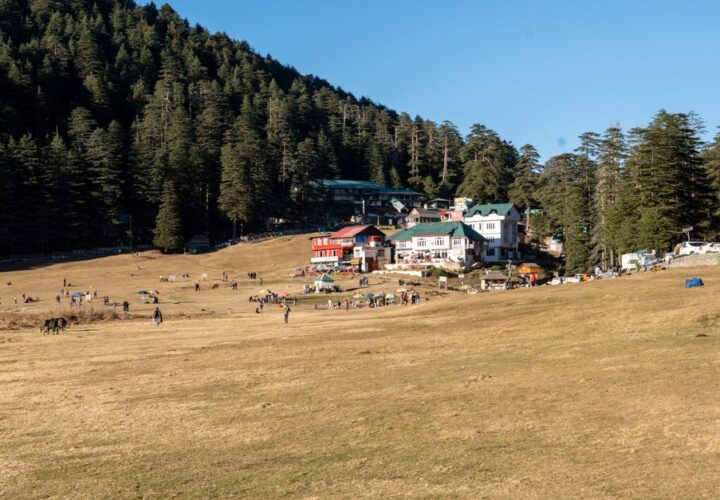
Khajjiar is a small high meadow ringed by deodar forest between Dalhousie and Chamba. It is best treated as a slow half-day or overnight stop rather than a rushed photo break, especially when the road is busy or weather changes.
Pragpur is a notified heritage village in lower Kangra, known for old houses, courtyards and the nearby settlement of Garli. It is a quiet architectural visit, not a conventional mountain-view resort.
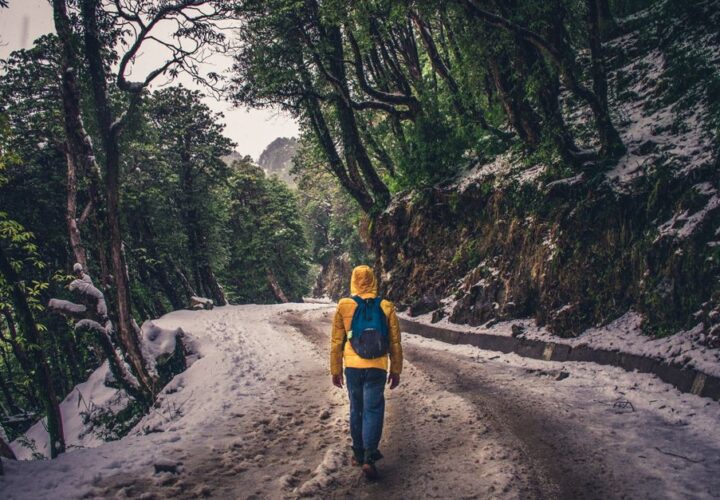
Bir is a Tibetan-colony and village area, while Billing is the mountain take-off site reached by road above it. Flying depends on licensed operators, current weather and official controls; Bir also merits time for monasteries and walking even when no flight operates.
Masroor’s rock-cut temple complex stands in rural Kangra with views towards the Dhauladhar range. Its carved stone, archaeological context and exposed setting are best appreciated in cool daylight with respectful behaviour around active sacred areas.
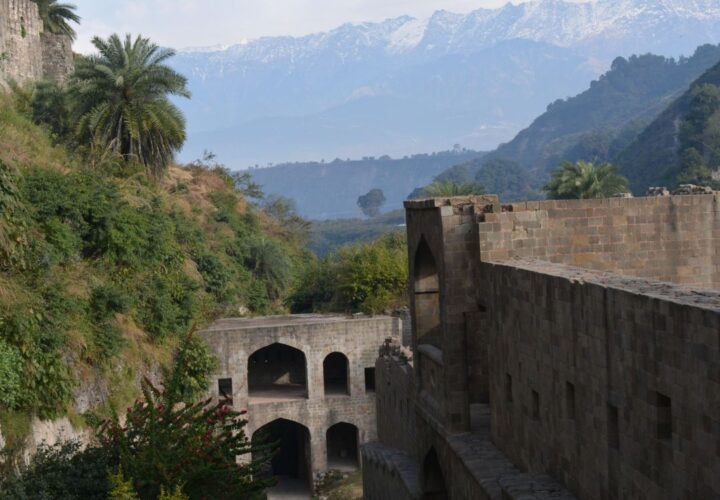
Kangra Fort is a large hill fort associated with the Katoch dynasty and the history of the Kangra Valley. Uneven stone paths, exposed sections and interpretation time make it more than a quick roadside photograph.
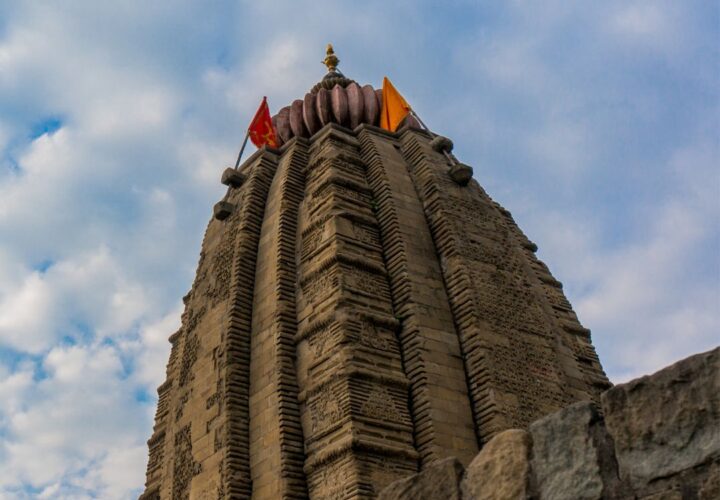
Baijnath is a temple town on the road between Palampur and Bir, centred on its historic stone Shiva temple. The active shrine deserves an unhurried visit that respects worship rather than treating the complex only as an architectural stop.
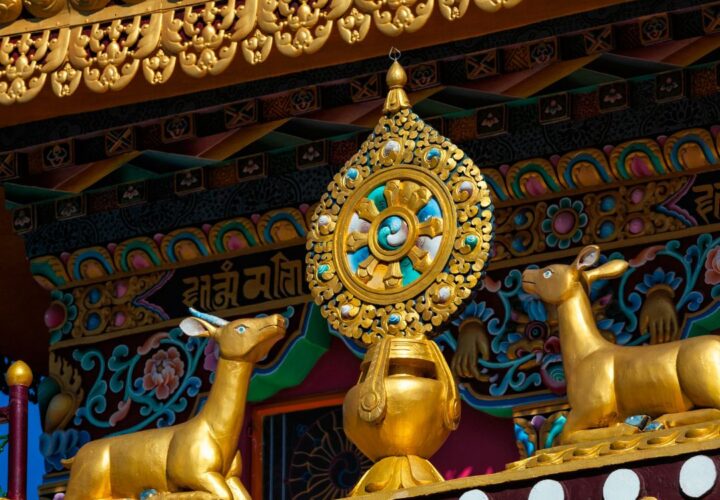
McLeod Ganj is the compact upper town above Dharamshala, centred on Tibetan community life, monasteries and busy walking streets. Bhagsu, Dharamkot and Naddi are nearby but sit on different ridges and should not be compressed into one short walk.
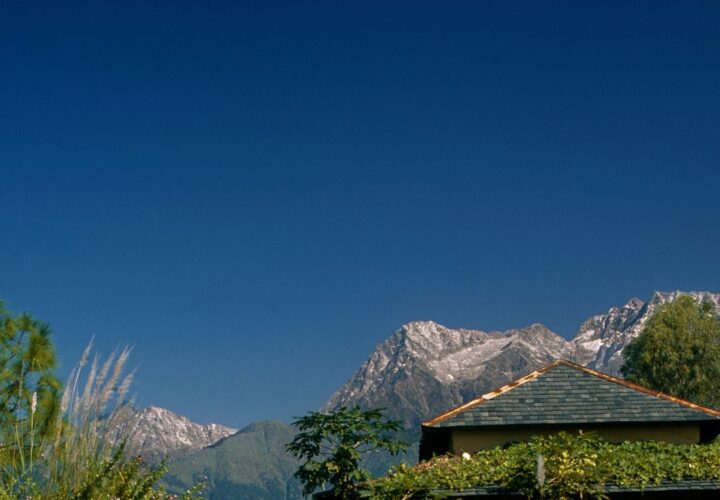
Palampur is a lower Dhauladhar town shaped by tea estates, streams and the surrounding Kangra countryside. It works best as a base for estate visits, Andretta and Baijnath rather than as a dense shopping-centre itinerary.
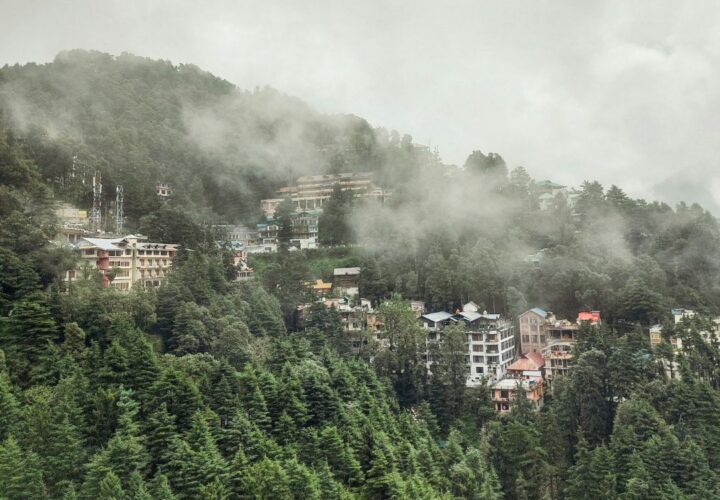
Dalhousie spreads across forested hills above the Ravi basin, with churches, walking roads and viewpoints rather than one compact centre. Khajjiar, Kalatop and Chamba each require their own road time.
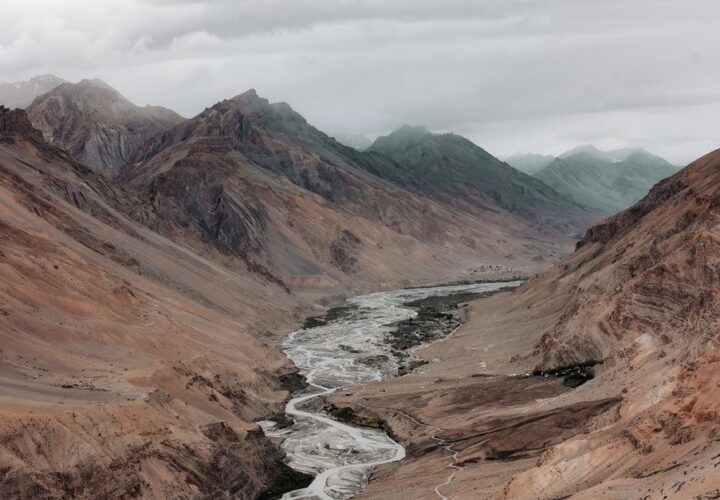
Spiti Valley is a high-altitude region, not one compact attraction. A responsible circuit allows acclimatisation in Kaza, separates the Tabo–Dhankar and Key–Kibber sides, and treats Kunzum or Chandratal access as conditional.
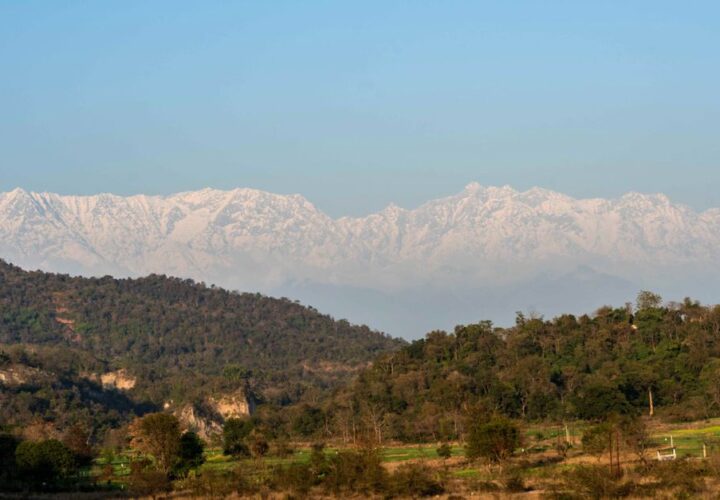
Dharamshala spans a lower civic town and the higher settlements around McLeod Ganj. A useful plan separates the stadium and Norbulingka side from the monastery, Bhagsu and Naddi circuit above.
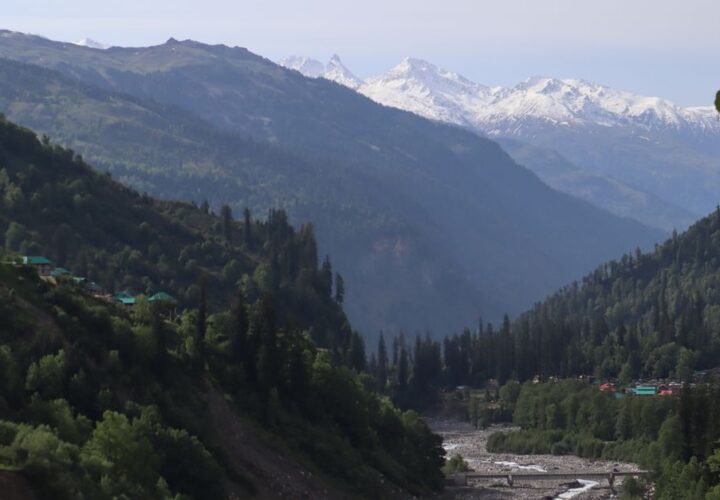
Manali is an upper Beas Valley town where historic temples and village lanes sit beside a busy adventure-travel hub. Solang, the Atal Tunnel corridor and Naggar are separate outings whose access depends on traffic and mountain weather.
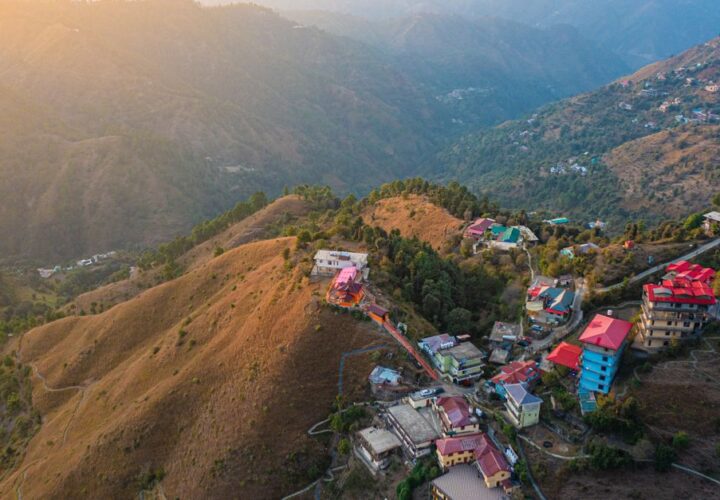
Shimla is Himachal Pradesh’s capital and a layered heritage city rather than a single Mall Road viewpoint. Its pedestrian core, colonial buildings and forested ridges reward walking, while Kufri, Mashobra and Naldehra need separate road time.
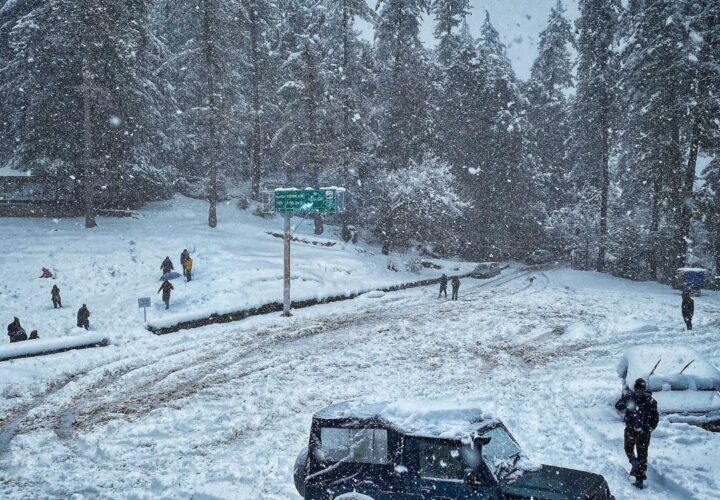
Mashobra lies west of Shimla amid cedar forest and scattered villages. It suits travellers who want quieter stays and local walks while remaining close enough for a planned visit to Shimla’s heritage centre.